
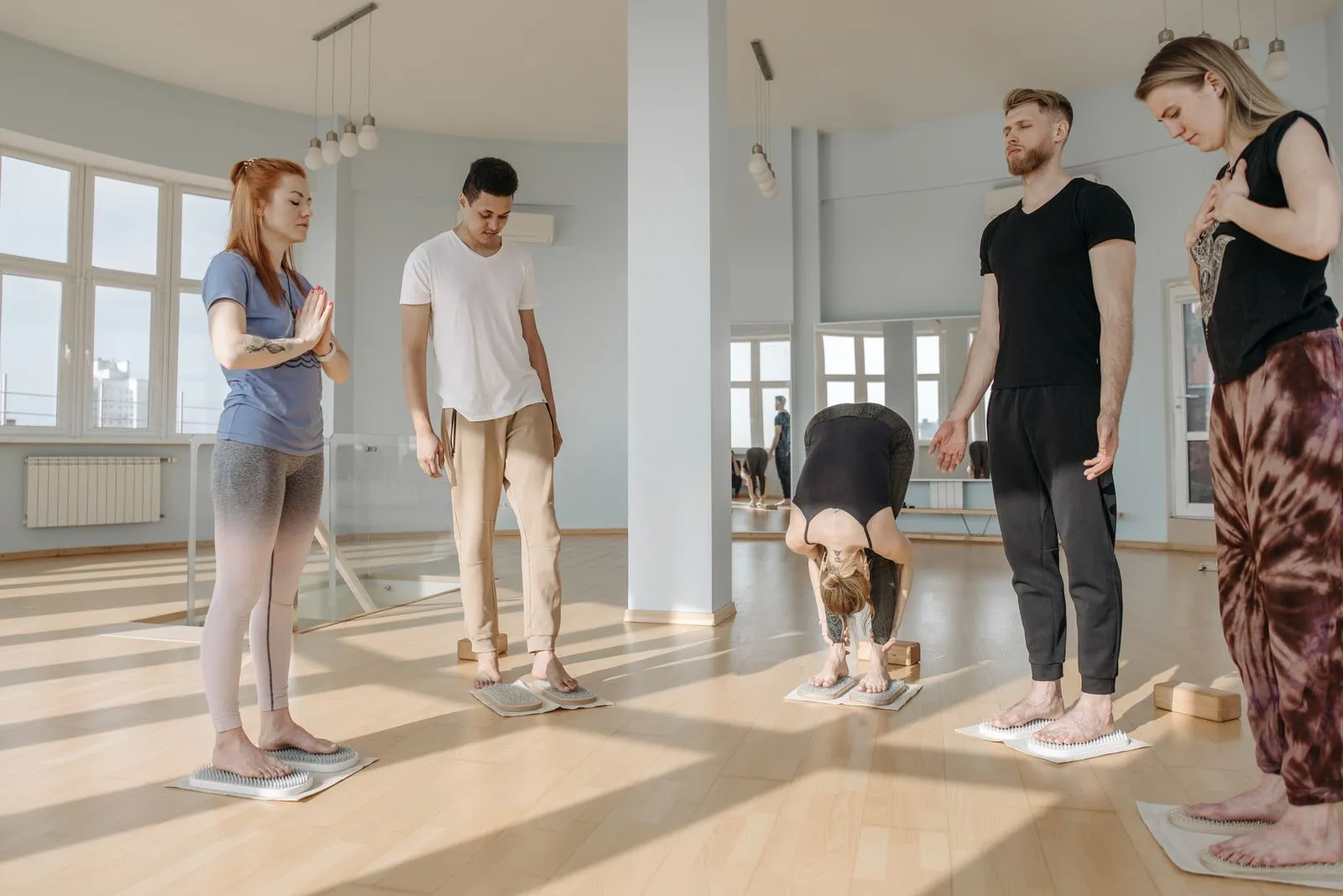
Starting meditation does not require a special skill, a silent mind, or a long stretch of free time. A guided session gives you a voice to follow while you settle into the practice at your own pace. Knowing what may happen in your first session can make it easier to arrive with realistic expectations. With a simple plan for the week, you can also turn one session into a steady habit that supports calm and attention in everyday life.
What Happens In Your First Session
A facilitator will usually explain the session and help you find a comfortable position, seated or lying down. You may be invited to notice your breathing, scan sensations in your body, or listen to sounds around you. The instructions offer points of focus; they are not a test. If your attention wanders, you can gently return to the next cue without judging yourself.
You do not need to clear your mind or share personal details. Some sessions include a brief check-in or time afterward to reflect, but you can participate quietly. Let the facilitator know if sitting still is uncomfortable or if you would prefer to keep your eyes open. Adjusting your posture or stepping out briefly is reasonable when needed.
Set A Comfortable Starting Point
Choose a session length that feels manageable rather than ambitious. If you are new to meditation, a shorter guided practice can help you learn what works before you commit to more time. Wear comfortable clothing, arrive a little early if attending in person, and put your phone on silent. These small preparations reduce avoidable distractions without requiring a special setup.
Expect your experience to vary. You might feel settled, restless, sleepy, or distracted; none of these responses means you are doing it wrong. A guided practice is an opportunity to notice what is happening and return to the instructions. Avoid judging the session by whether you felt relaxed. Instead, consider whether the format, pace, and setting felt suitable for you.
Make It Part Of Your Week
Attach meditation to a routine you already have, such as the start of the workday, a lunch break, or the transition home. Pick a repeatable time and place, then reserve it in your calendar as you would another appointment. If your schedule changes, choose a backup time. A practical plan you can repeat is more useful than an ideal schedule you rarely keep.
Decide in advance what counts as keeping the habit. You might attend one guided session each week and use a brief recording or quiet practice between visits. Keep your materials easy to access, and note the next session before you leave. If you miss a planned practice, simply return at the next available opportunity rather than trying to make up for it.
Review And Adjust Your Routine
After a few sessions, take a moment to review the experience. Ask whether the length felt manageable, whether the guidance was easy to follow, and what time of day suited you. You can try a different posture, setting, or style of meditation if something felt uncomfortable or distracting. Small adjustments can make the practice more accessible.
Keep the goal modest: establish a regular opportunity to pause and pay attention. You do not need to feel calm every time or follow a rigid routine. If a practice brings up strong discomfort, stop and speak with the facilitator about alternatives. Guided meditation can complement everyday well-being, but it is not a replacement for professional care when you need it.
A first guided meditation session is simply a chance to learn the format and notice how it feels for you. Start with a manageable commitment, connect it to a regular part of your week, and adjust as needed. When you are ready to explore a session in Hobart, Stillwater Meditation can help you find a suitable place to begin.